 Auction
 IT Asset Management: Complete Guide to Managing IT Assets
Modern organizations rely heavily on technology, which makes IT Asset Management essential for maintaining control over business infrastructure. From employee laptops and desktops to enterprise servers, networking equipment and data storage infrastructure, companies depend on a wide range of digital assets to keep processes running smoothly. As organizations grow and their technology environment expands, managing these IT assets becomes increasingly complex. Without a structured system in place, businesses may struggle to track equipment, control technology spending, maintain security and ensure compliance with industry regulations.
This is where IT Asset Management plays a critical role. It helps organizations monitor, track and manage their IT assets throughout the entire lifecycle—from procurement and deployment to maintenance, upgrades and final disposal. By implementing an effective ITAM strategy, businesses gain better visibility into their technology infrastructure and can make more informed decisions about asset usage and investment. A well-structured ITAM framework improves operational efficiency, strengthens data security and reduces unnecessary hardware costs. This guide explains what IT Asset Management is, how it works in organizations and the key processes businesses use to manage their IT assets effectively throughout their lifecycle.
What Is IT Asset Management (ITAM)?
IT Asset Management (ITAM) is the structured process of tracking, managing and optimizing an organization’s IT assets throughout their entire asset lifecycle —from procurement and deployment to maintenance and retirement. These assets include hardware such as laptops, desktops, servers, networking equipment and storage devices, as well as software applications and digital infrastructure used across the business. As companies continue to rely on complex IT environments, maintaining visibility over these assets becomes essential for operational efficiency and security. The primary objective of ITAM is to ensure that every technology asset within an organization is properly recorded, monitored and utilized in the most effective way. By maintaining a centralized asset inventory and management system, businesses can track where their equipment is located, how it is being used and when it requires maintenance or upgrades.
This structured approach helps organizations avoid asset loss, reduce unnecessary technology purchases and maintain better control over their IT investments. ITAM also focuses on managing assets across their lifecycle, beginning with procurement and deployment, continuing through operational use and maintenance, and eventually ending with secure retirement or disposal. Through effective IT Asset Management practices, organizations can improve technology governance, strengthen data security and make more informed decisions about their IT infrastructure and asset investments.
Why IT Asset Management Is Important for Businesses
As organizations expand their digital infrastructure, the number of IT Assets, software tools and technology assets used across departments continues to grow. Without a structured system to monitor and manage these assets, businesses often face operational inefficiencies, security risks and unnecessary technology expenses. This is why IT Asset Management plays a crucial role in helping organizations maintain control over their IT infrastructure and ensure that IT assets are used efficiently throughout their lifecycle.
Key reasons why IT Asset Management is important for modern businesses include:
- Improved visibility through IT asset tracking and inventory management: IT Asset Management allows organizations to maintain a centralized IT asset inventory where all hardware, software and network devices are recorded. With proper IT asset tracking systems, businesses can monitor asset location, ownership and usage across departments.
- Better cost control and optimized technology investments: Through effective IT asset lifecycle management, organizations can track how technology assets are utilized and avoid unnecessary purchases. Businesses can also identify underused equipment and optimize their IT infrastructure investments.
- Enhanced data security and risk management: Proper IT asset monitoring ensures that devices storing sensitive data are tracked throughout their lifecycle. This reduces the risk of data breaches, when assets reach end-of-life.
- Efficient management of the IT asset lifecycle: IT Asset Management helps organizations manage assets from IT asset procurement and deployment to maintenance, upgrades and IT Asset Disposition (ITAD). This structured lifecycle approach ensures that technology assets are utilized efficiently.
- Improved operational efficiency and infrastructure planning: With a structured IT asset management system, businesses can plan upgrades, manage maintenance schedules and ensure that employees have reliable technology resources to support daily operations.
How IT Asset Management Works in Organizations
In modern organizations, IT Asset Management (ITAM) operates as a structured system that helps businesses track, monitor and manage their IT assets across departments. The process typically begins with creating a centralized IT asset inventory where all hardware devices, software applications and network resources are recorded. This inventory allows organizations to maintain complete visibility over their IT assets, including details such as asset ownership, location, configuration and usage within the company’s infrastructure.
Once assets are registered in the system, organizations implement IT asset tracking and monitoring processes to ensure that devices are properly managed throughout their operational lifecycle. IT teams use asset management platforms or centralized IT asset management systems to monitor device performance, schedule maintenance and manage software licenses. As assets reach the end of their lifecycle, businesses also integrate processes such as Hard Disk Destruction, data wiping and secure IT Asset Disposition to ensure that sensitive data is permanently removed and outdated equipment is responsibly handled. This structured approach helps organizations maintain better control over their IT infrastructure while improving data security, regulatory compliance and overall operational efficiency.
Key Components of an IT Asset Management System
An effective IT Asset Management system is built on several core components that allow organizations to maintain visibility, control and efficiency across their IT infrastructure. These components help businesses track IT assets, monitor usage, manage software licenses and control the IT asset lifecycle. By combining structured inventory management, asset tracking mechanisms, license monitoring and lifecycle governance, companies can build a reliable framework for managing their IT infrastructure. The most important components of an IT Asset Management system include IT asset inventory management, asset tracking and monitoring, software license management and IT asset lifecycle management.
IT Asset Inventory Management
IT Asset Inventory Management is the foundation of an effective IT Asset Management system. It involves maintaining a centralized record of all IT assets within an organization, including hardware devices, software applications and network equipment. A well-maintained inventory helps businesses track asset location, ownership and configuration, ensuring better visibility and control over their IT infrastructure.
IT Asset Tracking and Monitoring
IT Asset Tracking and Monitoring helps organizations maintain real-time visibility over their technology assets. Using IT asset tracking systems and monitoring tools, IT teams can maintain real-time visibility over device location, usage and performance. This process helps reduce asset loss, detect unauthorized usage and ensure that IT equipment is properly maintained.
Software License Management
Software License Management ensures that organizations properly track and manage software licenses and applications used across departments. By monitoring license usage and validity, businesses can remain compliant with vendor agreements, avoid legal risks and optimize software spending by identifying and eliminating unused licenses.
IT Asset Lifecycle Management
IT Asset Lifecycle Management focuses on managing IT assets from procurement and deployment to maintenance, upgrades and final disposal. A structured lifecycle approach helps organizations extend equipment lifespan, plan upgrades efficiently and ensure secure processes such as IT asset disposition and data destruction when assets reach end-of-life.
Stages of the IT Asset Management Lifecycle
The IT asset lifecycle represents the complete journey of an organization’s technology assets from the moment they are acquired until they are securely retired or disposed of. Managing assets through a structured lifecycle helps businesses maintain visibility over their IT infrastructure, monitor asset usage and ensure that IT assets are utilized efficiently throughout their lifecycle. A lifecycle-based IT Asset Management approach allows organizations to track assets at every stage, reduce operational risks and make better decisions about upgrades, maintenance and end-of-life processes.
IT Asset Procurement
The lifecycle begins with IT asset procurement, where organizations identify their technology requirements and purchase the necessary IT hardware and software assets. This stage involves evaluating business needs, selecting appropriate equipment such as laptops, servers or networking devices and recording asset details within the asset inventory system. Effective procurement ensures that technology investments align with organizational goals and that new assets are properly documented from the beginning of their lifecycle.
IT Asset Deployment
After procurement, assets move into the deployment stage where devices are configured, installed and integrated into the organization’s IT infrastructure. During deployment, IT teams assign devices to employees or departments, install required software and connect equipment to the network. Proper deployment ensures that asset ownership, location and configuration details are accurately recorded, allowing organizations to maintain clear visibility over their IT infrastructure.
IT Asset Maintenance and Monitoring
Once deployed, IT assets enter the operational phase where continuous maintenance and monitoring are required to ensure reliable performance. IT teams monitor asset usage, apply regular software updates and security patches and perform routine maintenance to keep systems running efficiently. Regular monitoring helps detect technical issues early, reduce downtime and ensure that devices storing sensitive data remain secure.
IT Asset Upgrade and Optimization
As technology evolves, organizations may upgrade or optimize their existing IT assets to improve performance and extend their operational lifespan. This stage may involve upgrading hardware components, increasing storage capacity or updating software systems to maintain compatibility with modern technologies. Strategic upgrades allow businesses to maximize the value of their existing infrastructure while controlling technology costs.
IT Asset Retirement and Disposal
The final stage of the lifecycle occurs when IT assets reach the end of their operational life and must be retired from active use. During this stage, organizations remove outdated equipment from their infrastructure, update asset records and ensure that all stored data is securely destroyed. Secure processes such as data wiping, hard drive destruction and certified IT asset disposition help businesses prevent data breaches and dispose of technology assets responsibly.
Benefits of IT Asset Management for Businesses
Implementing an effective IT Asset Management strategy helps organizations gain better control over their IT infrastructure while improving operational efficiency and cost management. By tracking and managing IT assets throughout their lifecycle, businesses can optimize asset utilization, strengthen data security and make more informed decisions about their IT investments.
Some key benefits of IT Asset Management for businesses include:
- IT Asset Management provides better visibility over all hardware, software and network assets within an organization.
- It helps businesses control technology costs by tracking asset usage and avoiding unnecessary purchases.
- It improves data security by ensuring that devices storing sensitive data are properly monitored throughout their lifecycle.
- It supports compliance by helping businesses manage software licenses and maintain accurate IT asset records.
- It enables efficient management of IT assets throughout their lifecycle, from procurement and deployment to secure retirement and disposal.
- Organizations can reduce downtime and improve operational efficiency through proper asset monitoring and maintenance.
Common Challenges in Implementing IT Asset Management
- Maintaining an accurate and up-to-date IT asset inventory as new devices are added and older equipment is retired.
- Tracking IT assets across multiple departments, locations and users within large organizations.
- Managing software licenses and ensuring compliance with vendor agreements and licensing regulations.
- Integrating IT Asset Management systems with existing IT infrastructure, asset tracking systems and monitoring tools.
- Lack of standardized asset management policies and processes within the organization.
- Limited visibility into asset usage, which can lead to underutilized, misplaced or lost technology resources.
To overcome these challenges, organizations should implement a structured IT Asset Management framework supported by reliable asset tracking tools and centralized IT asset inventory systems. Establishing clear asset management policies, automating asset monitoring and maintaining accurate records throughout the asset lifecycle can significantly improve visibility and control. Regular audits, proper software license management and employee awareness also help businesses manage their IT assets more efficiently while reducing operational risks.
Best Practices for Effective IT Asset Management
Maintain a centralized IT asset inventory: Organizations should maintain a centralized inventory system that records all hardware, software and network assets. This helps IT teams track asset ownership, location and configuration details across the organization.
Implement reliable IT asset tracking systems: Using asset tracking tools such as IT asset management software, barcode tagging or RFID tracking helps businesses monitor asset movement and usage in real time.
Establish clear IT asset management policies: Organizations should define standardized IT asset management policies for asset procurement, deployment, maintenance and retirement to ensure consistent asset management practices across departments.
Regularly monitor and audit IT assets: Regular asset audits help organizations verify asset records, identify missing or underutilized equipment and ensure that inventory data remains accurate.
Manage software licenses effectively: Organizations should track software licenses, usage and compliance status to maintain compliance with vendor agreements and avoid unnecessary spending on unused software.
Plan asset lifecycle management strategies: Businesses should manage IT assets through a structured lifecycle approach that includes procurement, deployment, maintenance, upgrades and secure end-of-life disposal.
Ensure secure data handling during asset retirement: When assets reach end-of-life, organizations should implement secure processes such as data wiping, hard drive destruction and certified IT Data Destruction to prevent data breaches.
IT Asset Management vs IT Asset Disposition: Key Differences Explained
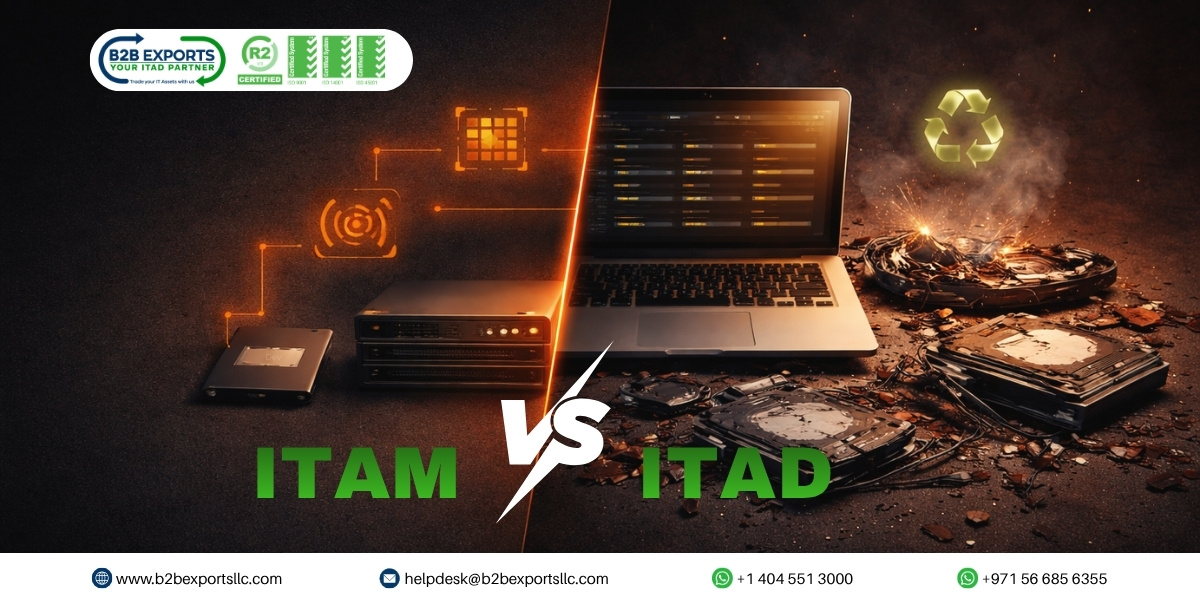
IT Asset Management:
IT Asset Management (ITAM) is the structured process of tracking, managing and optimizing an organization’s technology assets throughout their entire lifecycle. It involves maintaining a centralized inventory of hardware, software and network assets while monitoring their usage, location and performance. ITAM helps businesses manage assets from procurement and deployment to maintenance, upgrades and retirement, ensuring that technology resources are used efficiently and investments are properly controlled. By implementing effective IT Asset Management practices, organizations can improve operational efficiency, strengthen security and maintain better visibility over their IT infrastructure and technology assets.
IT Asset Disposition:
IT Asset Disposition focuses on the final stage of the IT asset lifecycle when outdated or unused IT equipment must be securely retired. The goal of ITAD is to ensure that end-of-life IT assets are handled responsibly while protecting sensitive data stored on devices. ITAD processes typically include secure data wiping, hard drive destruction, refurbishment, recycling and environmentally responsible e-waste disposal. By implementing proper IT asset disposition practices, organizations can prevent data breaches, maintain regulatory compliance and recover value from retired technology assets while ensuring secure and responsible disposal.
Future Trends in IT Asset Management
As organizations continue to expand their digital infrastructure, IT Asset Management is evolving to support advanced technologies and more data-driven decision making. Businesses are increasingly adopting automated asset management systems that use real-time tracking, analytics and integration with IT management platforms to improve visibility and control over their technology assets. Automation helps IT teams reduce manual asset tracking tasks and maintain more accurate IT asset inventories.
Another emerging trend in IT Asset Management is the growing focus on sustainability and responsible IT asset lifecycle management. Organizations are placing greater emphasis on extending the lifespan of technology assets through refurbishment, reuse and structured asset disposition processes. Integrating IT Asset Management with secure data destruction and environmentally responsible e-waste management and recycling practices is becoming an important part of modern IT infrastructure strategies.
Conclusion: The Importance of Effective IT Asset Management for Modern Businesses
As organizations continue to expand their digital infrastructure, managing technology assets efficiently has become a critical requirement for maintaining operational efficiency, security and long-term IT sustainability. IT Asset Management (ITAM) provides a structured framework that enables businesses to track, monitor and optimize their IT assets throughout the entire lifecycle—from procurement and deployment to maintenance, upgrades and secure retirement. By implementing effective ITAM strategies, organizations gain better visibility over their hardware, software and network assets while ensuring that IT resources are utilized efficiently across departments. Proper IT Asset Management also helps businesses control technology spending, reduce unnecessary asset purchases and improve operational planning by maintaining accurate IT asset inventories and monitoring asset usage.
A well-structured IT Asset Management approach also strengthens data security, supports compliance with software licensing agreements and industry regulations and enables organizations to manage their IT infrastructure more strategically. Through lifecycle-based asset management practices, businesses can ensure that technology assets are maintained properly, upgraded when necessary and securely retired when they reach end-of-life through secure processes such as data wiping, hard drive destruction and IT asset disposition. By combining centralized asset tracking systems, structured management processes and responsible asset retirement practices, organizations can reduce operational risks, maximize the value of their technology investments and build a more secure, efficient and scalable IT environment that supports long-term business growth.