 Auction
 The Importance of Documentation and Reporting in ITAD Services
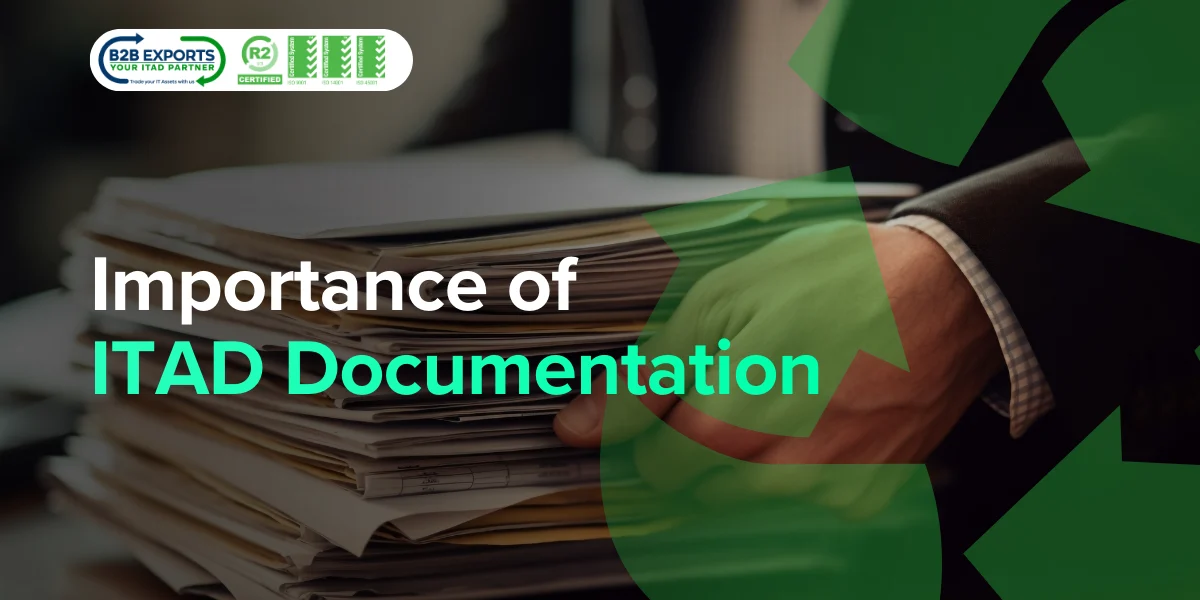
When organisations plan to approach IT asset disposition (ITAD), they mainly focus on removing outdated equipment, which may include various types of devices, from laptops and storage media to servers and networking equipment. This process is usually seen as the final step in the lifecycle of IT assets. However, in reality, IT asset disposal is not considered to be complete until every stage is properly documented. Enterprises, cloud providers and data center operators require IT asset disposition services whose value lies not only in securely removing and recycling devices, but also in the ability to effectively prove what every asset went through.
Documentation and reporting provide proof and protect organisations from facing complications such as failure to meet compliance, security risks and operational uncertainty. In the absence of strong reporting, even secure IT disposal can become questionable at the time of audits, investigations or client reviews. This is why documentation has become one of the most important aspects of modern ITAD programs.
In addition, IT environments today are also more complex than they once were, as many organisations are now managing IT across a combination of cloud environments, shared data center setups and remote work devices. As a result, IT assets are no longer stored in one location; they are spread across multiple teams working from different regions and facilities. This makes IT disposal more difficult, because equipment may be retired at different times, by different teams and under various conditions. Strong documentation brings structure to this complexity by creating one clear record that the entire organisation can rely on. It ensures ITAD is not handled in a disorganised way and confirms that every retired IT asset follows the same controlled process.
Why Documentation is Essential for Secure IT Asset Disposition
1. Retirement with Complete Assurance
Documentation is what eventually turns IT asset disposition from a basic disposal task into a structured and secure process. Old IT assets may not be suitable for use in everyday operations, even then, they might continue holding valuable data belonging to the organisation. From login credentials and internal files to customer records and other confidential business data, all sorts of information can be held in storage devices. This makes secure IT disposal and proper data destruction an essential requirement. However, destroying data is not enough if an organisation cannot prove it was done correctly. Therefore, documentation acts as evidence that every IT asset was safely handled and the correct procedures were followed until final disposal.
2. Starting Documentation at Pickup
In professional IT asset disposition services, documentation usually starts at the point of pickup itself. For this to happen, it involves proper recording, tagging and monitoring of each asset using serial numbers or other unique identification details. The records clearly show what equipment was collected, the pickup date and time and the person responsible for approving the handover. This reduces confusion and prevents assets from going missing during transportation. For large enterprises and data centers that retire thousands of devices each year, maintaining tracking records becomes even more important because relying on manual tracking can easily result in lost equipment, gaps in reporting and compliance issues.
3. Proof and Accountability
Documentation strengthens internal accountability by allowing IT teams, compliance officers and security managers to confirm that all the IT assets were retired responsibly and in accordance with company policy. Without adequate written proof, organisations can struggle in answering audit questions or providing assurance to customers and stakeholders. In ITAD, documentation is not just paperwork since it is the foundation that makes secure IT asset disposal traceable, verifiable and defensible.
4. Reducing Errors in Disposal
Thorough documentation helps in reducing internal risks caused by human errors. Many organisations deal with IT asset disposal under time pressure, especially during large infrastructure upgrades or data center migration projects. When equipment is moved quickly, the possibility of assets being misplaced or retired incorrectly increases if proper records are not maintained. During such transitions, when equipment is moved around quickly, it becomes easier for assets to go missing or get retired the wrong way in the absence of official evidence. Clear reporting helps in keeping the process organised, reduces mistakes and ensures every IT asset is disposed of correctly.
Regulatory Compliance Demands Detailed ITAD Reporting
Compliance is now one of the biggest reasons organisations take IT asset disposition (ITAD) seriously. Many businesses are required to operate under strict rules regarding data security, privacy laws and safe disposal of e-waste. Industries ranging from finance, healthcare and telecom to government and cloud services cannot afford to treat asset disposal as an informal process. If an organisation is not in a position to provide written proof of secure disposal and IT data destruction, it can create major business risks, including compliance breaches and serious loss of trust.
Adequate reporting allows compliance teams to demonstrate that the organisation is responsible enough to follow the right procedures, making ITAD reporting an utmost necessity. It indicates that retired IT assets were handled under controlled conditions, data was destroyed securely and final disposal effectively met both environmental and regulatory requirements. During audits, organisations are mostly asked to provide detailed records for specific devices, especially when it comes to storage equipment. If certificates of destruction or chain of custody reports are missing by any chance, auditors may consider the disposal process incomplete, even if the organisation believes the assets were handled safely.
Strong reporting provides support for reducing audit pressure. Without keeping organised records in place, compliance teams often waste time searching for old paperwork, contacting vendors or rebuilding their asset lists from scratch. This creates unnecessary pressure and increases the risk of missing important details. A structured ITAD reporting system helps in avoiding these issues by keeping all disposal records properly maintained and ready whenever they are needed. For large organisations, where audits happen regularly, ensuring preparedness through well-maintained proof leads to time efficiency and reduced disruption.
Documentation is equally important for ensuring vendor compliance. Many enterprises outsource IT asset disposition services to third-party providers. Even in these situations, the organisation must ensure that the assets are disposed of correctly. If the vendor fails to meet requirements, the enterprise will have to face the resulting consequences. Detailed reporting avoids this risk by making vendors accountable and guaranteeing that the provider follows secure processes. It also makes it easier to monitor vendor performance and ensure they meet contractual and compliance expectations.
Chain of Custody Reporting Protects Against Data Breaches
1. Tracking Assets Throughout Disposal
Chain of custody reporting is considered to be a key part of IT asset disposition services. It refers to the documented record that tracks an IT asset from the moment it is collected from the organisation until it is finally destroyed, recycled or remarketed. This reporting is essential because some of the biggest security risks occur after assets leave the organisation’s premises. During transportation and processing, assets are exposed to external handling and without strict tracking, the chances of theft, tampering or unauthorised access increase significantly.
2. Clear Accountability
A strong chain of custody report creates a clear and traceable timeline. It documents the pickup date, packaging details, every handover point, transport movement and final confirmation at the ITAD facility. This visibility helps organisations stay in control of their retired assets even after they leave the site. It also leads to a reduction in disputes between departments, since the documentation provides a reliable record of responsibility at every stage. As a result, if a hard drive or server goes missing, chain of custody reporting helps in identifying where the issue occurred and who was accountable at that point.
3. Legal Protection
For hard drive disposal, chain of custody reporting becomes even more essential. This is because even if a single drive gets misplaced, it can put an organisation at serious legal and financial risks and leak important client or employee records. In such cases, organisations must be able to prove that the drive was handled properly and went through appropriate destruction processes. When an enterprise can deliver accurate ITAD reporting, it shows maturity, professionalism and strong management controls.
4. Safe Disposal Across Sites
Custody verification reports are valuable for organisations managing remote sites or operating IT infrastructure in multiple locations. Large enterprises often have branch offices, warehouses and smaller facilities where old and obsolete IT assets are retired. If assets aren’t tracked properly, they can sit around for weeks or months before being disposed of, creating security risks. Clear ITAD records make sure that every location is handling retired equipment in the same manner, thereby preventing data leaks and keeping the whole disposal process smooth and organised.
Key ITAD Documents Every Organisation Needs
A well-managed IT asset disposition program relies on clear and thorough documentation that covers every stage of the disposal process. One of the first important reports is the asset inventory and pickup record, which lists all IT assets collected for disposal, including serial numbers, volumes and detailed descriptions. This ensures the organisation has complete visibility regarding what equipment has been handed over and helps in preventing missing asset issues.
The IT data destruction is an essential record, showing exactly how data was securely erased or destroyed, especially on laptops, servers and other devices holding confidential information. Many organisations also request a certificate of destruction to have formal proof that the process was carried out properly. On top of that, certificates for recycling and environmental compliance confirm that all materials were handled in a safe and responsible way, helping businesses in meeting sustainability goals and being compliant with regulations.
The ITAD report should also include a summary for final disposition, which confirms what each asset went through, whether it was destroyed using safe measures, responsibly recycled, refurbished for reusing or reselling purposes. These documents are a reliable record of the disposal process, making IT asset disposition activities verifiable, auditable and legally defensible as well. Without such records, organisations can experience compliance-related risks and uncertainty about the handling of retired IT assets.
Along with vendor reports, organisations must maintain internal records such as approval forms, asset retirement requests and departmental sign-offs. This creates a complete record of decisions and actions throughout the asset’s journey, thereby making it easier to track accountability and ensure clarity, even when several teams or departments are involved in managing IT assets.
How Strong Reporting Improves Governance and Builds Business Confidence
1. Improved Governance
Strong documentation and reporting offer more than just meeting compliance requirements, they help enterprises to stay in control and protect themselves in the long run. In IT asset disposition, reporting supports stronger governance by making sure asset retirement follows a clear and structured process instead of being treated as a rushed or informal task. Therefore, when companies maintain an accurate record of ITAD procedures, they get better visibility across each phase of the entire IT lifecycle and reduce the chances of retired equipment being left behind in either storage areas or data centers. These unused assets can turn into hidden security risks and are easy to miss during audits or internal checks.
2. Smarter Planning and Decisions
Reporting helps organisations in making better decisions. Detailed ITAD records allow them to understand how often assets are being retired, which departments generate the highest disposal volumes and what equipment categories are being replaced most frequently. From procurement planning and budget forecasting to managing refresh cycles, everything improves using this information. It also allows IT managers to evaluate operational efficiency, since reporting indicates whether IT asset disposal timelines are being completed on schedule or delayed.
3. Leadership Confidence Due to Risk Reduction
Transparent reporting increases confidence across the leadership and among risk management teams. CIOs and CISOs need assurance that retired IT assets are not becoming unnoticed security threats. Compliance officers require proof that regulatory obligations are being met. Data center operators need confirmation that equipment leaving their facility is properly controlled and secure. When IT asset disposition services include detailed and accurate reporting, they provide this assurance and protect organisations not only from audits, but also from reputational damage and incidents of data breaches caused by poor disposal practices.
4. ESG Reporting and Stakeholder Transparency
ITAD reporting plays an important role in both sustainability and ESG performance. Many enterprises are expected to prove responsible handling of e-waste and ethical recycling practices. Adequate reporting clearly conveys that IT assets were recycled using proper channels rather than being dumped or handled irresponsibly. For companies focused on ESG commitments, ITAD documentation becomes valuable as it provides evidence of responsible disposal. In addition, it also improves transparency with customers and stakeholders because if the organisation is able to provide the required records for hard drive disposal, it can respond quickly and confidently. This reduces delays in business deals and improves credibility in competitive markets.
Conclusion
Documentation is what gives IT asset disposition services a final and traceable conclusion. Due to a lack of thorough records, organisations cannot confidently confirm the outcome of disposal, the chain of custody and proof that the data destruction was carried out securely. Reporting removes this uncertainty by creating a complete record that can be checked, reviewed and trusted whenever questions come up.
When the ITAD process is properly documented, it also supports stronger internal control by reducing confusion, avoiding delays in approvals and preventing retired devices from sitting unused for months. In the long run, these records allow organisations to run disposal activities more smoothly and with less risk. In simple terms, traceable records help ITAD run like a planned process rather than a quick clean-up or unplanned disposal step when old equipment starts piling up.