 Auction
 The Role of ITAM in Risk Management and Compliance
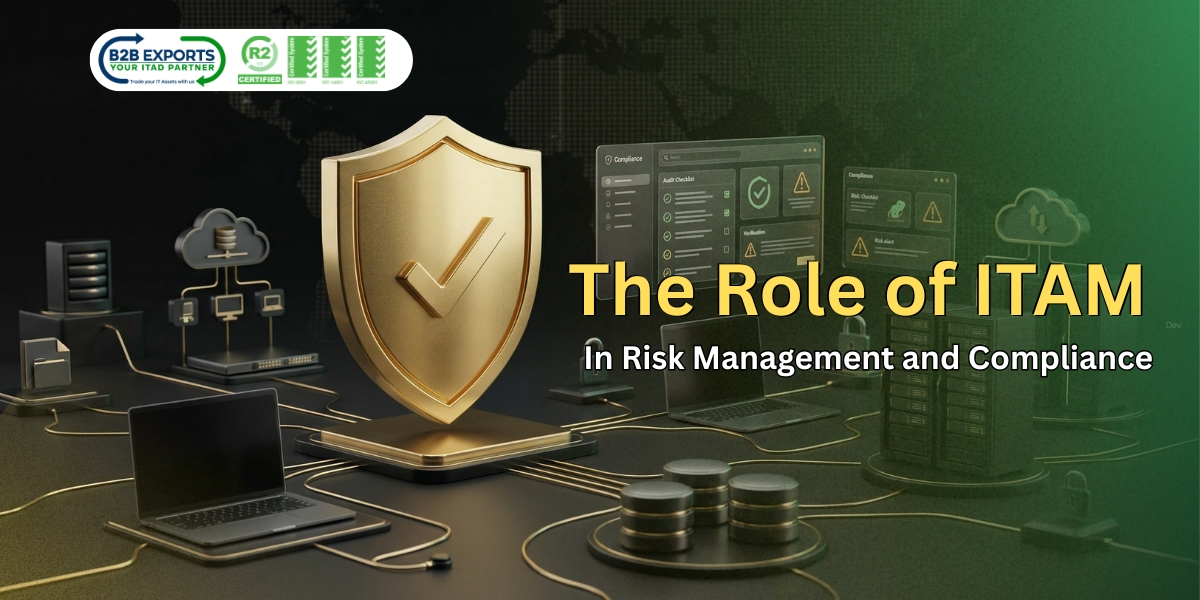
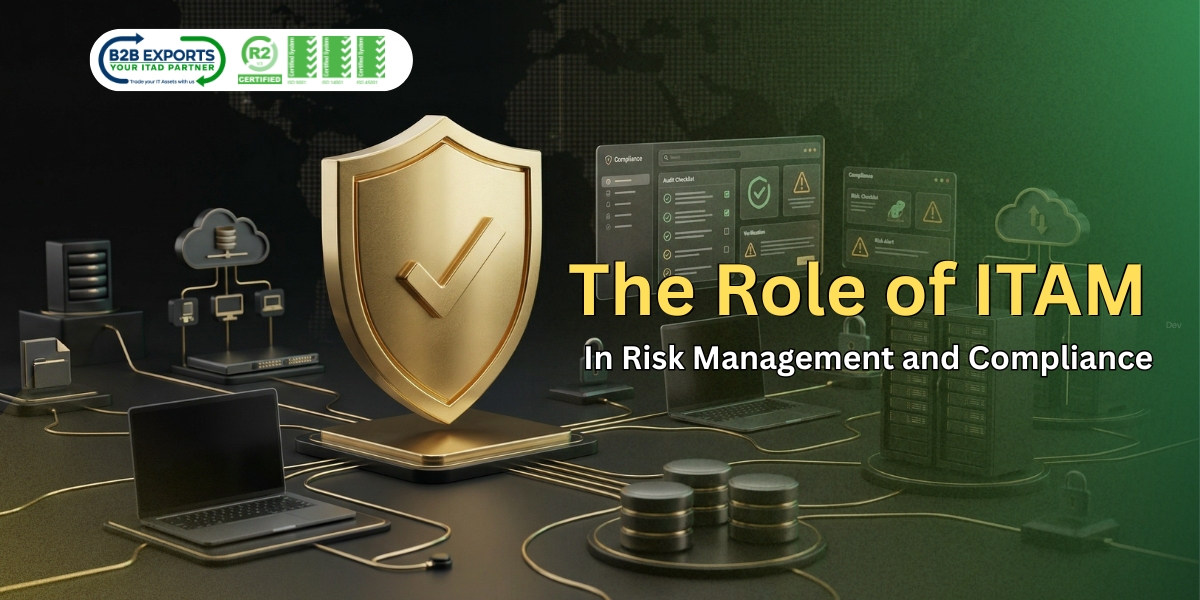 In today’s time, IT infrastructures don’t just indicate a single data center or a fixed set of devices. Organisations operate in diverse ways, from hybrid setups and cloud platforms to remote teams and connected supply chains. Along with growth, this flexibility can also lead to various threats such as operational, financial and regulatory risks. This is where IT Asset Management plays an important role in protecting against cyber exposures and security concerns.
Risk management and compliance have become significantly important for organisations that are operating across the world. This is because compliance requirements, such as data protection laws, environmental regulations and industry standards, demand tracking and documentation of IT assets to be accurate throughout their lifecycle. Significant risks take place in the absence of proper IT asset management practices, from data breaches and failures in audit to financial penalties and damage to reputation. As a result, ITAM plays an essential role in managing risks.
Organisations that apply trusted ITAM solutions are able to identify threats before they turn out to be serious incidents, thereby maintaining compliance and building accountability. For instance, cybersecurity threats can be posed by untracked devices, whereas compliance violations can result from poor management of licenses. Thus, secure risk mitigation needs to be aligned with reliable IT asset management.
Risk Considerations in IT Asset Management
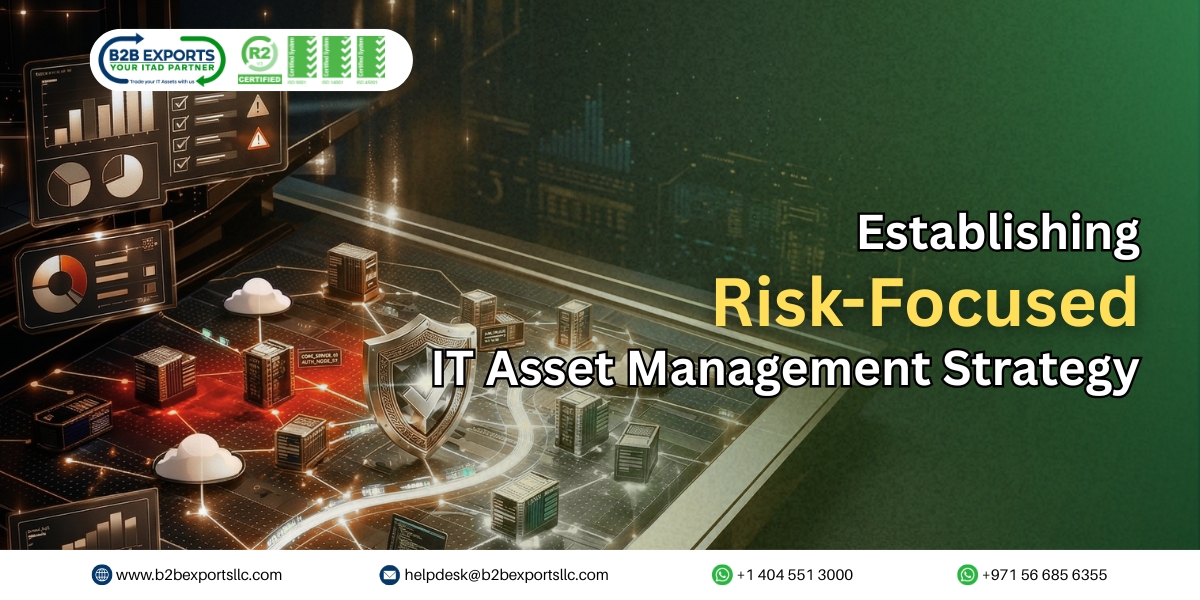
Every IT asset within an organisation reflects a potential risk factor that must be managed carefully, as untracked devices on corporate networks create security gaps that attackers can easily exploit. Many times, outdated softwares that is running without getting timely updates creates a way for risks, such as malware and ransomware. Unauthorized installation of hardware fails to follow security controls, leading to compliance violations.
The issue of shadow IT increases when employees use applications or devices that are unapproved, making it harder for organisations to keep their data secure and under control. These risks increase when organisations scale their operations, which is why gaining complete visibility through IT asset management solutions becomes essential.
Financial Risks
There are considerable financial risks associated with poor ITAM practices. Organisations without accurate tracking of software licenses often face unexpected findings during audits which result in heavy financial penalties. When hardware assets are not monitored properly, it leads to unnecessary purchases that result in wasted capital expenditure. Budget drain without adding value if maintenance contracts continue for decommissioned equipment. The absence of IT asset compliance management creates situations where organisations pay for licenses they don’t use while being out of compliance for softwares they actually use.
Security risks
Security risks increase when IT asset management practices are weak. If organisations don’t have complete visibility of the devices on their network, securing them effectively becomes even more difficult. IT systems that don’t receive regular updates can become easy targets for exploitation by cyberattacks. If the hardware that has reached the end of its life continues running without any support, it leaves gaps in security that cannot be fixed easily. Furthermore, sensitive data may exist on devices without proper encryption because these assets were never identified or tracked. Therefore, ITAM and cybersecurity go hand in hand since a strong security program depends on having a clear view of every asset being used.
Operational Risks
Lack of reliable ITAM practices can cause operational risks, from failure in critical systems because of untracked maintenance schedules to incomplete asset inventories resulting in inadequate business continuity plans. Mergers and acquisitions become more complicated when asset records are inaccurate and service level agreements also suffer in the absence of reliable asset performance data. These operational challenges show that IT asset management services not only support compliance and security but also overall excellence in operations.
Human and Technological Risks
When employees leave the organisation with unregistered company devices, it creates both security and financial risks. Contractors accessing systems through unmanaged endpoints are able to avoid security controls easily. The rapid growth of mobile devices, IoT sensors and edge computing also makes IT asset tracking more complex. To manage this, organisations need modern IT asset management solutions that are capable of handling diverse and constantly changing asset portfolios while maintaining a clear vision of potential risks.
Enabling Compliance Through IT Asset Management
Visibility for Regulatory Compliance
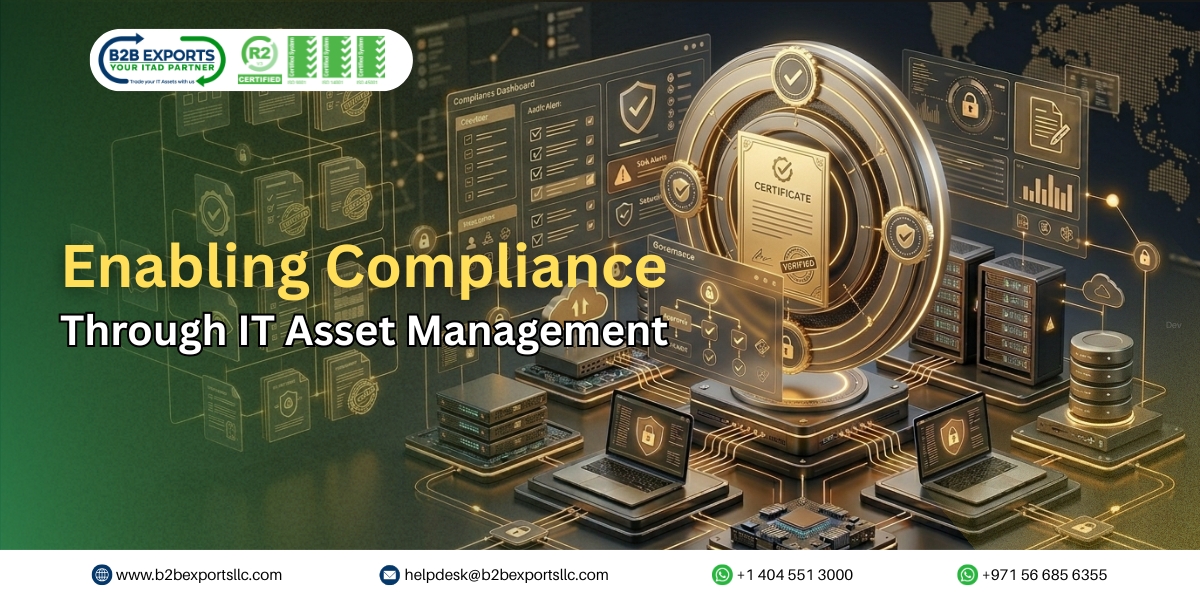
IT asset management is an essential aspect of compliance programs since regulatory requirements have become stricter over time. According to GDPR, CCPA, HIPAA and other regulations for data protection, organisations should know where sensitive data is kept, who can access it and how it is protected. Effective IT asset management systems further help in reaching this level of clarity by tracking every device, application and storage location that handles regulated data.
Industry-Specific Compliance Needs
Compliance requirements that are specifically meant for a particular industry create additional needs that ITAM systems must support. Regulations require financial services organisations to maintain records for specific durations. Healthcare providers must ensure that systems handling protected health information are able to meet strict security standards. Government contractors are required to track assets in such a way that maintains strict controls throughout the chain-of-custody, while manufacturing organisations must monitor assets to ensure both quality and traceability. For each of these formalities, asset documentation needs to be accurate, which can only be achieved through strong IT asset compliance management.
Software License Compliance
Compliance related to software licensing leads to a complex challenge that ITAM can address directly. At the time of audits for verifying license compliance, organisations without accurate tracking often face significant financial penalties. Cloud subscription bills that are based on actual usage make it important to track the consumption and deactivate licenses that are unused. IT asset management solutions provide the visibility that is needed for maintaining license compliance across the entire portfolio of software.
Secure Asset Disposal
Disposal of hardware and managing it at the end stage of its life introduces significant compliance risks. According to environmental regulations, IT asset disposition must be carried out properly and electronic waste must be prevented from going into landfills. Laws for data protection make it necessary to ensure secure data destruction before disposing of storage devices. In addition, documented processes for retiring assets are required in accordance with the industry certifications. Organisations that aren’t able to implement proper IT asset disposition practices end up violating regulations and face risks of data breaches. R2v3 compliance in IT asset disposal has become an essential requirement for organisations to demonstrate environmental responsibility.
Audit Readiness
ITAM systems improve the audit trail capabilities of the organisation by providing documentation of asset procurement, deployment, changes and retirement, which are extremely valuable during compliance examinations. This is because auditors require relevant evidence of all the security controls applied to specific IT assets and proof that the decommissioned assets went through proper data destruction. Passing audits with minimal disruptions is easier for those organisations that have mature IT asset management practices in place. Those who lack proper ITAM practices face increased periods of audit and further compliance failures that damage their reputation and cause financial liability.
Establishing a Risk-Focused IT Asset Management Strategy
Building a strong approach for IT asset management requires organisations to include the principles of risk management from the beginning. The first step involves gaining complete visibility of all the IT assets through accurate discovery and inventory. Organisations can make use of automated tools that are useful for constantly scanning networks, finding connected devices, recording their configurations. This ongoing process not only keeps the records up to date but also helps in identifying new assets quickly and signaling unauthorised devices.
After developing discovery capabilities, organisations need to classify their assets based on the level of risk that they carry to make necessary decisions accordingly. This is because not every asset creates the same risk, thereby making it essential that IT asset management solutions account for these differences. As a result, key IT infrastructure needs stricter controls as compared to the regular workstations. Systems storing sensitive information require extra security measures. Additionally, assets that are subject to various regulatory requirements need to be tracked carefully. Therefore, organisations can use security resources more efficiently by grouping assets based on risk level.
Managing the assets for their entire lifecycle helps in dealing with the risks at every stage, from buying the equipment to its disposal. The procurement process should include security checks before adding any new asset to the facility while deployment methods must ensure that security settings are applied consistently. Ongoing maintenance is equally important and involves keeping a track of software fixes and updates that affect security. At the time of retiring assets, data must be safely wiped and disposed of properly. Following certified standards, such as R2v3, ensures disposal is secure and environmentally responsible. Hence, every stage of the asset’s journey can be used as an opportunity for managing risks securely.
Continuous monitoring and reporting make ITAM more than just a simple inventory, they turn it into a practical tool for managing risks regularly. Dashboards enable an organisation to see their compliance status and security position in real time, while automated alerts notify whenever the assets deviate from approved settings or licenses approach expiry. Regular reports are useful for documenting trends that support strategic planning and exception reports clearly highlight those assets that lack required security controls. A certified IT asset management company uses these monitoring practices to actively protect the organisation.
The Financial Impact of ITAM on Risk Reduction
The financial impact of effective IT asset management services are beyond just avoiding unnecessary costs, as they also help in creating value by reducing risk and improving efficiency in operations. Organisations with strong ITAM programs often experience immediate savings by eliminating excess purchases, combining systems that overlap and finding unused licenses. These short-term savings can be beneficial for covering the cost of ITAM, while long-term benefits come from reducing risks over time.
License Compliance Cost
Managing software licenses is one of the biggest financial risks that IT asset management helps in controlling. For instance, large companies can face significant financial penalties if audits reveal that the software is under-licensed and legal disputes with vendors further add to the costs. In the absence of certified solutions, organisations may face difficulty in knowing their compliance status, which increases the possibility of unexpected financial risks. ITAM systems remove this uncertainty by keeping a clear record of software usage and licenses.
Hardware Cost Optimisation
Tracking hardware assets through IT asset management services helps organisations in using their technology investments in a strategic manner. By gaining knowledge of the usage patterns of equipment, organisations can redeploy their assets instead of buying new ones. Planning during the end stage of the equipment becomes more accurate using data driven analysis, allowing better budgeting for replacements. Standardizing assets also helps in reducing complexity and supporting costs. Thus, these steps result in lowering total cost of ownership and reducing operational risks as well.
Insurance and Risk Costs
Reliable ITAM practices also provide additional value by developing risk transfer capabilities. Insurance companies demand for detailed IT asset inventories at the time of offering cyber insurance. As a result, organisations with strong IT asset compliance management practices often receive more favourable insurance terms and having detailed records speeds up claims if incidents occur. This is because the ability to document asset values and security measures provides the proof that insurers need.
Budget Predictability
Effective IT asset management significantly improves predictability in budgeting. There are fewer unexpected failures when hardware maintenance is tracked properly. Software renewals can be planned easily and capital spending is more accurate when asset refresh cycles are determined based on data. This predictability helps in managing resources better and lowering the need for keeping extra budgets for contingency.
The Future of IT Asset Management in Risk and Compliance
The role of IT asset management in risk and compliance has grown from simply tracking inventory to becoming a strategic capability that supports and protects organizations in various ways. As digital transformation is speeding up and regulations continue to become tighter, strong ITAM will only become more important. Organisations investing in mature ITAM solutions are capable of handling this complex environment with confidence.
ITAM is more than just an IT function, forming an essential part of the organisation that helps it to stay strong and adaptable. Security teams obtain greater visibility of assets, which helps in detecting threats. Compliance teams gain the documentation needed to meet regulatory requirements. The finance department can optimize its costs while the operations team provides better service delivery through improved asset tracking. Therefore, including IT asset management not only complements the risk management but creates benefits throughout the organisation.
Organisations are required to constantly evolve their IT asset management practices to face new challenges as they come along the way. The growth in cloud services, IoT devices and edge computing demands fresh approaches for discovering assets. Keeping up with stricter regulations also increases the need for more detailed compliance records and continuous monitoring of cybersecurity threats.
The journey towards achieving ITAM maturity requires both strong commitment and constant improvement. Organisations should evaluate their existing capabilities and then compare them with the regulations and best practices in the industry. This approach is useful for filling gaps based on risk and making improvements in phases, aiming for quick results while moving towards full coverage. Treating IT asset compliance management as an ongoing journey enables organisations to succeed in today’s complex technology environment.